


BATTERY RECYCLING SOLUTIONS
Safe. Compliant. Responsible.
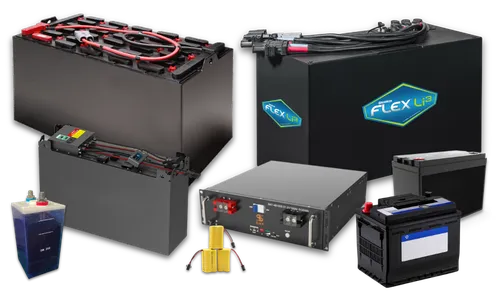
BCI provides recycling solutions for industrial batteries across multiple technologies and chemistries.
Your Batteries May Have Value
Depending on battery type, chemistry, condition, and quantity:
Some batteries may generate recycling revenue
Some batteries may qualify for material recovery value
Some batteries may require recycling or disposal fees
WE ACCEPT A WIDE RANGE OF BATTERY TYPES & CHEMISTRIES
🔋 Lithium Iron Phosphate (LFP)
🔋 Lithium Nickel Manganese Cobalt (NMC)
🔋 Lithium Nickel Cobalt Aluminum (NCA)
🔋 Lithium Cobalt Oxide (LCO)
🔋 Lithium Manganese Oxide (LMO)
🔋 Primary Lithium Batteries
🔋 Flooded Lead Acid
🔋 Lithium Iron Phosphate (LFP)
🔋 Lithium Nickel Manganese Cobalt (NMC)
🔋 Lithium Nickel Cobalt Aluminum (NCA)
🔋 Lithium Cobalt Oxide (LCO)
🔋 Lithium Manganese Oxide (LMO)
🔋 Primary Lithium Batteries
🔋 Flooded Lead Acid
🔋 AGM
🔋 Gel Cell
🔋 Telecom Batteries
🔋 Industrial Stationary Batteries
🔋 Utility Batteries
🔋 NiCad
🔋 Nickel Metal Hydride (NiMH)
🔋 AGM
🔋 Gel Cell
🔋 Telecom Batteries
🔋 Industrial Stationary Batteries
🔋 Utility Batteries
🔋 NiCad
🔋 Nickel Metal Hydride (NiMH)

Many organizations struggle with:
Battery storage concerns
Environmental compliance
Transportation regulations
Disposal costs
Limited recycling option
Why Work With BCI?
Single Point of Contact
Industrial Battery Specialists
Environmental Stewardship
Regulatory Compliance Support
Material Recovery Assessment
Simple Process
1
Submit Battery Information
2
Provide Photos & SDS Documentation
3
Receive Recycling Assessment
4
Schedule
Pickup
4
Schedule Pickup
5
Batteries Responsibly Recycled
Request Your Battery Recycling Assessment
Whether you're recycling lead-acid, lithium, NiCad, telecom, UPS, motive power, or energy storage batteries, BCI can help.
Complete the assessment below and our team will provide a customized recycling evaluation.


Why choose HAWKER® POWERLINE™ batteries for your electric forklifts
flooded lead-acid battery
Extended Run Time: Densest positive paste and thickest grids deliver full-shift power, minimizing downtime.
Rugged Durability: Multi-layer retention system and robust construction ensure long life in demanding applications.
Reduced Maintenance: WATER LESS® technology minimizes watering needs, saving time and money.
Maximized Performance: POWERPLUS™ formation system and quality-driven manufacturing guarantee dependable power.
Improved Efficiency: Matched grids and innovative extras optimize current distribution and performance.
FOLLOW US


Want to be a BCI Dealer?
COMPANY
CUSTOMER CARE
LEGAL

Aligned
Fresh, creative solutions.

Engaged
Honesty & Transparency

Disciplined
Top-notch services.
© Copyright 2025.Texas US. All Rights Reserved. Privacy Policy | Terms & Conditions